Acetaia Bonfigliol, guided by the curiosity and talent of Giuliano Barbon, is an extraordinary example of how the tradition of balsamic vinegar can merge with innovation and experimentation. Located in Nervesa della Battaglia, in the Treviso area, the vinegar house is comparable to an alchemical laboratory, where long and complex procedures are transformed into aged wine vinegars and balsamic vinegars full of personality.
“In my vinegar cellar I use local varieties such as Raboso, Merlot, Cabernet, Glera and Pinot Bianco, transforming them into unique vinegars. My passion for wood drives me to experiment with new essences to create white and red vinegars with distinctive and innovative flavors. To refine special and spiced vinegars, I use amphorae and gourds.”

His method of producing balsamic vinegar is the result of a process obtained from cooked grape must, matured through slow acetification. The freshly pressed grape must is slowly cooked over an open flame for about 14–16 hours. The resulting syrupy must is then placed in steel containers where alcoholic fermentation and acetification begin. In spring, it is transferred into small barrels of varying capacities made from different woods—cherry, mulberry, juniper, plum, pear, chestnut, acacia—where the vinegar will rest for years. Each wood variety imparts unique colors, flavors, and aromas. The refills and transfers between the battery of barrels, a process requiring great skill, follow the “soleras” method. Starting with 120 liters of product, only 20 liters remain after five years, showing the exceptional value of this vinegar. Aged balsamic vinegar, with unparalleled characteristics, requires 12 years of maturation in the attic barrels of Acetaia Bonfigliol. During this process, the vinegar undergoes constant concentration, acquiring a wealth of aromatic nuances.

The production includes: Balsamic from Merlot and Cabernet grape must; Cherry balsamic from Merlot and Cabernet; “Rabioso” balsamic from Raboso del Piave must; “Mysticis” balsamic from cooked Merlot and Cabernet must, macerated with herbs, flowers, roots, and natural tree resins – excellent to sip with a spoon or glass at the end of a meal. For aged wine vinegar, obtained from acetic fermentation of wine, Giuliano also uses first-choice local grapes, some of which he cultivates himself. The vinegar matures for several years in barrels of various woods. The aged White Wine Vinegar is made from Glera and Pinot Bianco grapes, while the aged Red Wine Vinegar comes from Merlot and Cabernet.
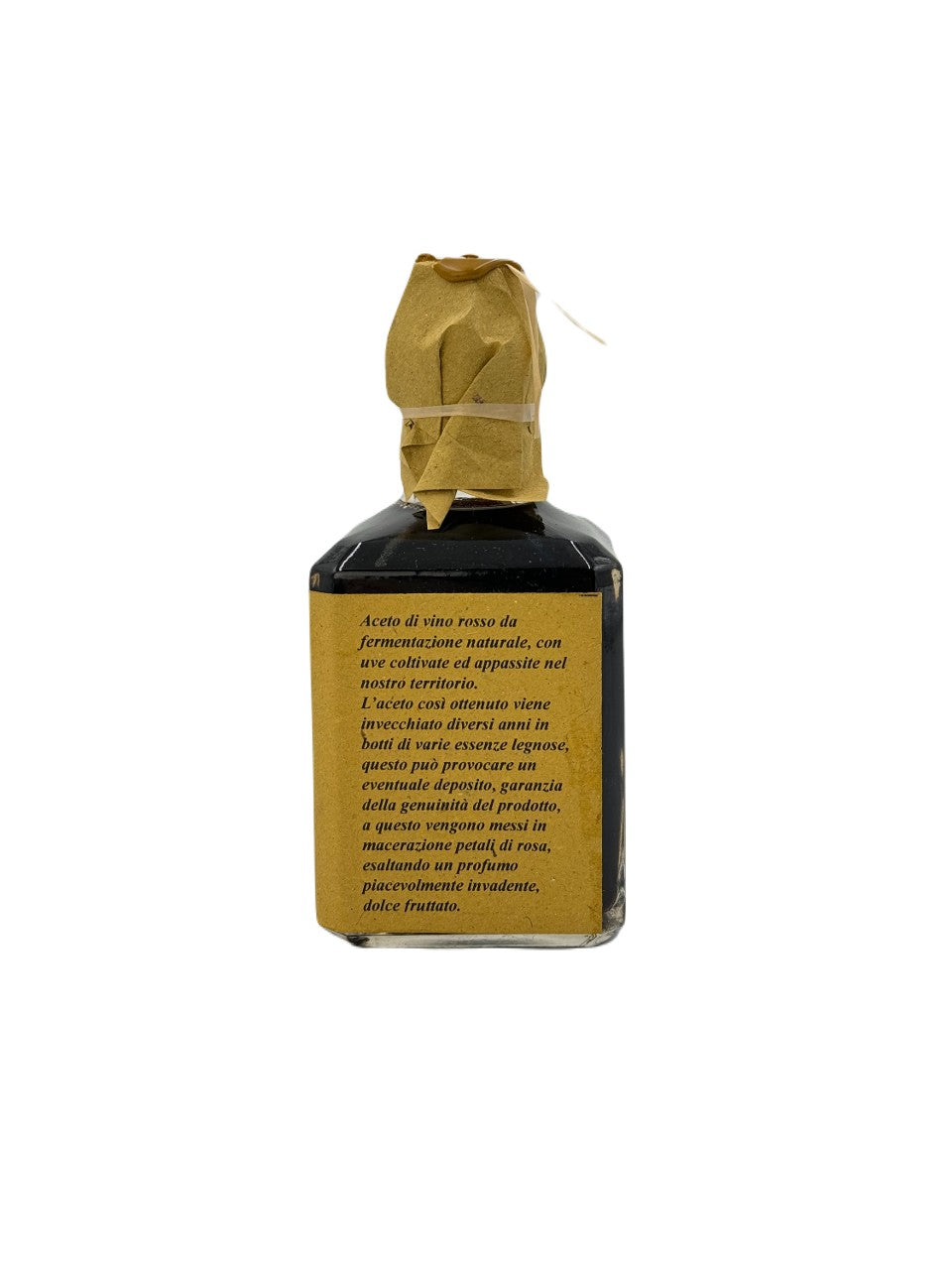
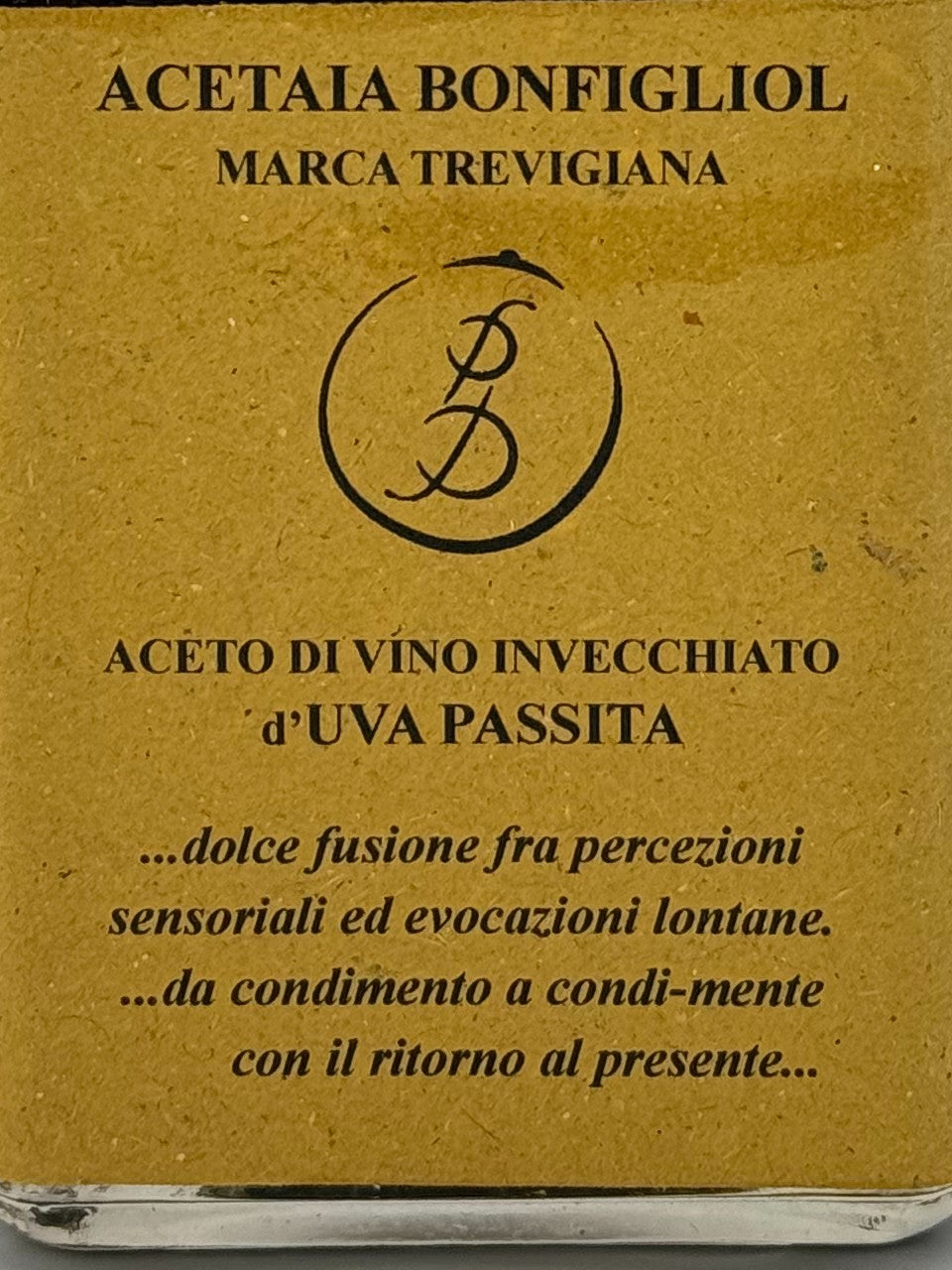
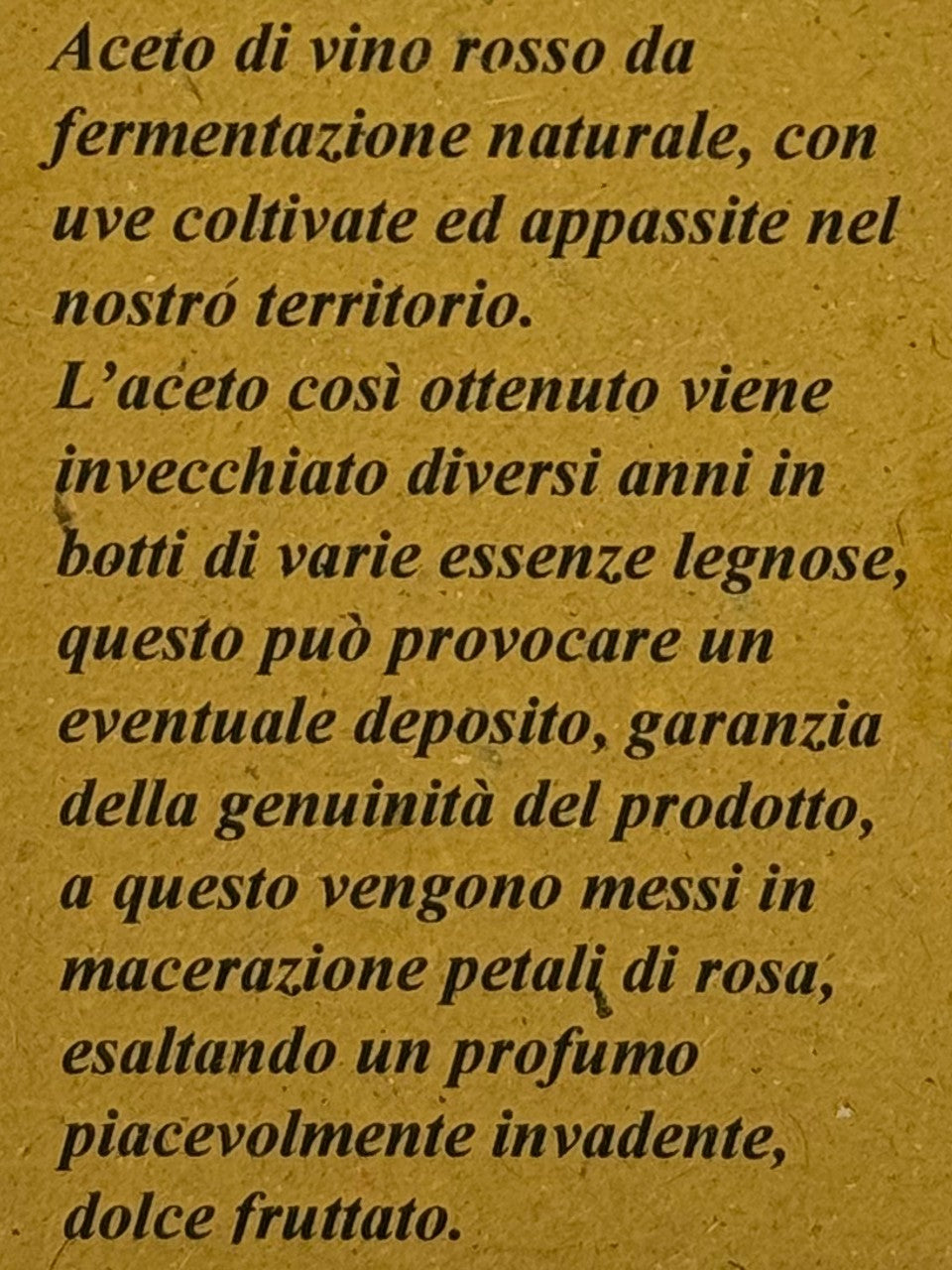
Unique aged wine vinegars include those infused with oranges and orange blossom flowers; figs with bay leaves and pink peppercorns; Treviso’s Late Red Radicchio; and one aged with dried Raboso grapes and rose petals. Among the varieties: Red Wine Vinegar in amphora, matured for years in amphorae covered with chestnut leaves and soil, left open at the top; and White Passito Wine Vinegar (Malvasia and Solaris) aged in amphora. Completing the range is Aged Honey Vinegar, made from multifloral honey produced by Giuliano himself in harmony with the bees’ natural rhythms. Because of the special ingredient, this is the only vinegar where mountain spring water with low mineral content is added to reduce sugar levels and allow fermentation. In this temple of vinegar, Giuliano follows the rhythms of nature, creating unique essences from the products of his garden. This respectful and passionate approach turns every bottle into a rich, sensory experience, exemplifying the creativity and innovation of contemporary Italian cuisine.